


Highlighting Australia
- As a proudly Australian initiative, we’re excited to showcase a collection of Australian stories, music, tributes and more.

Join activities, celebrations, study groups, spiritual empowerment and education programs for young people, and more.
Baha’i beliefs address essential spiritual themes for humanity’s collective and individual advancement. Learn more about these and more.

Featured in: Highlighting Australia

As a proudly Australian initiative, we’re excited to showcase a collection of Australian stories, music, tributes and more.
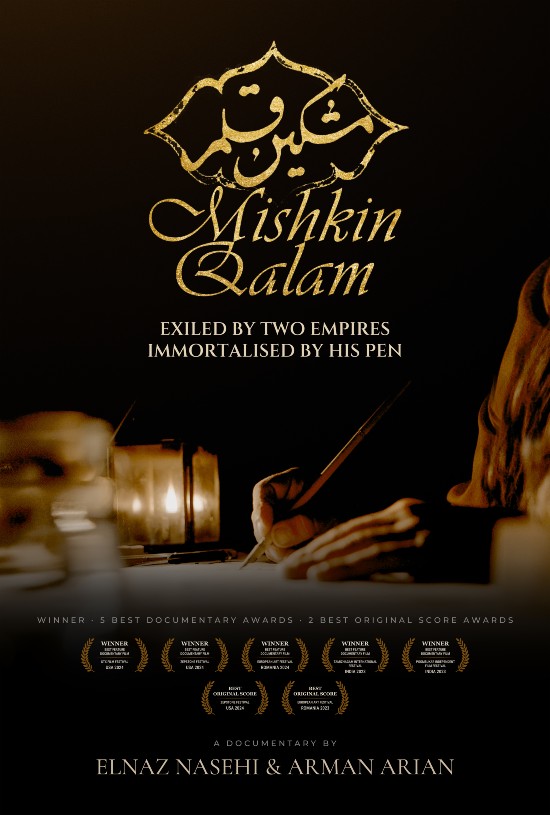
My friend Amir Vala Meshkin has produced a marvellous award-winning documentary about his ancestor, Mishkin-Qalam. Through reenactments, animations and interviews, we learn about the life and work of this renowned calligrapher, whose rendition of the Greatest Name can be found in many Baha’i homes and Temples to this day.
Here’s what Amir shared with Baha’i Blog about this incredible documentary.
Can you tell us a little about yourself?
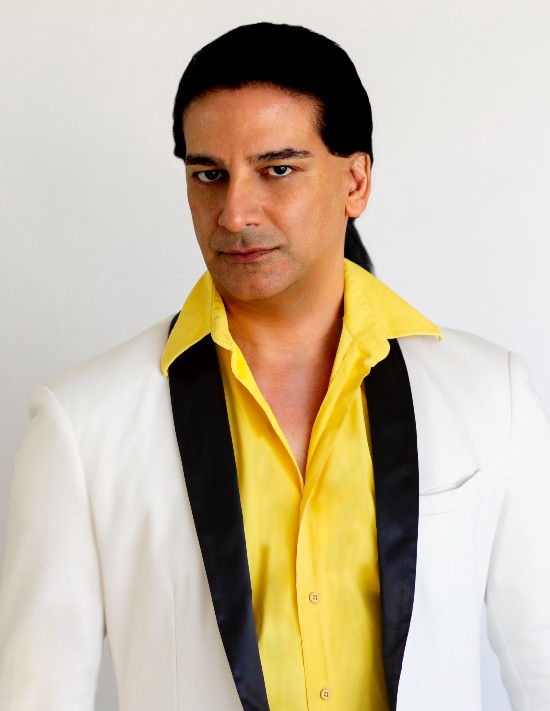
Well, I’m a musician, artist and architect, and my work is inspired by the Baha’i Writings. I’m currently based in Australia, with an eye on the world.
What inspired you to create this film?
It’s an interesting story. A Persian filmmaking couple based in Cyprus were considering making a documentary about Mishkin-Qalam, the famed calligrapher and Apostle of Baha’u’llah. Elnaz Nasehi is a film academic at Arkin University of Creative Arts and Design, and Arman Arian is a bestselling author who has written more than forty books.
An old family friend of ours happened to overhear Arman talking about the project at a conference in Italy. He offered to put Arman and his wife in touch with my parents and me. We agreed to help Elnaz and Arman as executive producers, and the rest is history, as they say.
After hearing some of the music I had made with the ELViRiA project, Elnaz and Arman also asked me to compose the original motion picture soundtrack for the documentary.
Why is the figure of Mishkin-Qalam significant to you?
Growing up, we were always aware of being a part of his lineage and were exposed to the folklore related to his artistic virtuosity, his complete servitude to Bahaʼu’llah and Abdu’l-Baha and, of course, his legendary sense of humour. Now, after having gone through the process of the film and soundtrack production, I feel a stronger and closer connection with this historic figure. The immensity of his personal sacrifice and the dedication to his craft, both inspired by his spiritual beliefs, are massively inspirational on a personal level.
Could you tell us about the spiritual principles that informed your musical work?
Songwriting and music composition are deeply spiritual processes. If we’re honest with ourselves as artists, I think we have to acknowledge that, in our greatest moments of creativity, we become channels or conduits for a Higher Power.
As with my other musical projects, the main orchestral riff for the soundtrack’s title track, “Mishkin-Qalam”, came to me out of nowhere. The rest of the song began to take shape shortly afterwards, including the vocal melody, tempo and key changes.
I sent an early demo to Elnaz and Arman in Cyprus, and they quickly responded that they felt it captured the spirit of Mishkin-Qalam. Their response gave me the confidence to move forward with the demanding process of producing the soundtrack.
Most of the lyrics to “Mishkin-Qalam” are in English, but the song ends with a Persian-language outro repeating the signature verse found in Mishkin-Qalam’s calligraphic works. Translated into English, it reads:
“Lord of calligraphy, my banner goes before;
But to Baha’u’llah, a bondsman at the door,
Naught else am I, Mishkin-Qalam.”The soundtrack also includes two other songs about unconditional love. One is “Love (Eshgh)”, a Persian-language song that compares the Divine Spirit, rising from the ashes in every age, to the Immortal Phoenix. The other is “The Garden of Thy Heart”, based on one of the Hidden Words.
Ultimately, I think the spiritual principles behind songwriting come down to surrender, humility, servitude, love and, of course, creativity.
What do you hope viewers will take away with them after watching the documentary?
The entire Mishkin-Qalam documentary team and I hope people come away feeling informed and inspired, whether they’re interested in history, calligraphic art or theology. Beyond that, we hope the film encourages people to follow their calling, live with integrity and help build a better world where everyone has the right to practise their spiritual beliefs.
What was something you learned during the process of making this film?
Patience! We planned to complete the film in one year when we started in 2019, but almost immediately, the pandemic disrupted everything. Borders closed, delaying our interviews with scholars and historians from around the world, and restrictions also affected the filming of historical reenactments in Cyprus.
In the end, production took four years, but we believe it was well worth the wait!
Thank you, Amir, for taking the time to do this interview! It’s wonderful that you and everyone involved have brought this important documentary about an Apostle of Baha’u’llah to life. His dedication and work continue to touch the lives of so many.
You can watch the film by visiting www.mishkinqalam.com.
To whet your appetite, here is the trailer for the film:


"*" indicates required fields

Join activities, celebrations, study groups, spiritual empowerment and education programs for young people, and more.

Horizons is an online magazine of news, stories and reflections from around individuals, communities
and Baha’i institutions around Australia

Baha’i beliefs address essential spiritual themes for humanity’s collective and individual advancement. Learn more about these and more.

We recognise their continuing connection to land, waters and community. We pay our respects to Aboriginal and Torres Strait Islander people and their cultures; and to elders both past and present.
The views expressed in our content reflect individual perspectives and do not represent authoritative views of the Baha’i Faith.


Visit the site of the
Australian Baha’i Community
and the Baha’i Faith Worldwide